Beard Transplant: Natural Results and Recovery Guide
What makes beard design look masculine and believable rather than dense for the sake of density.
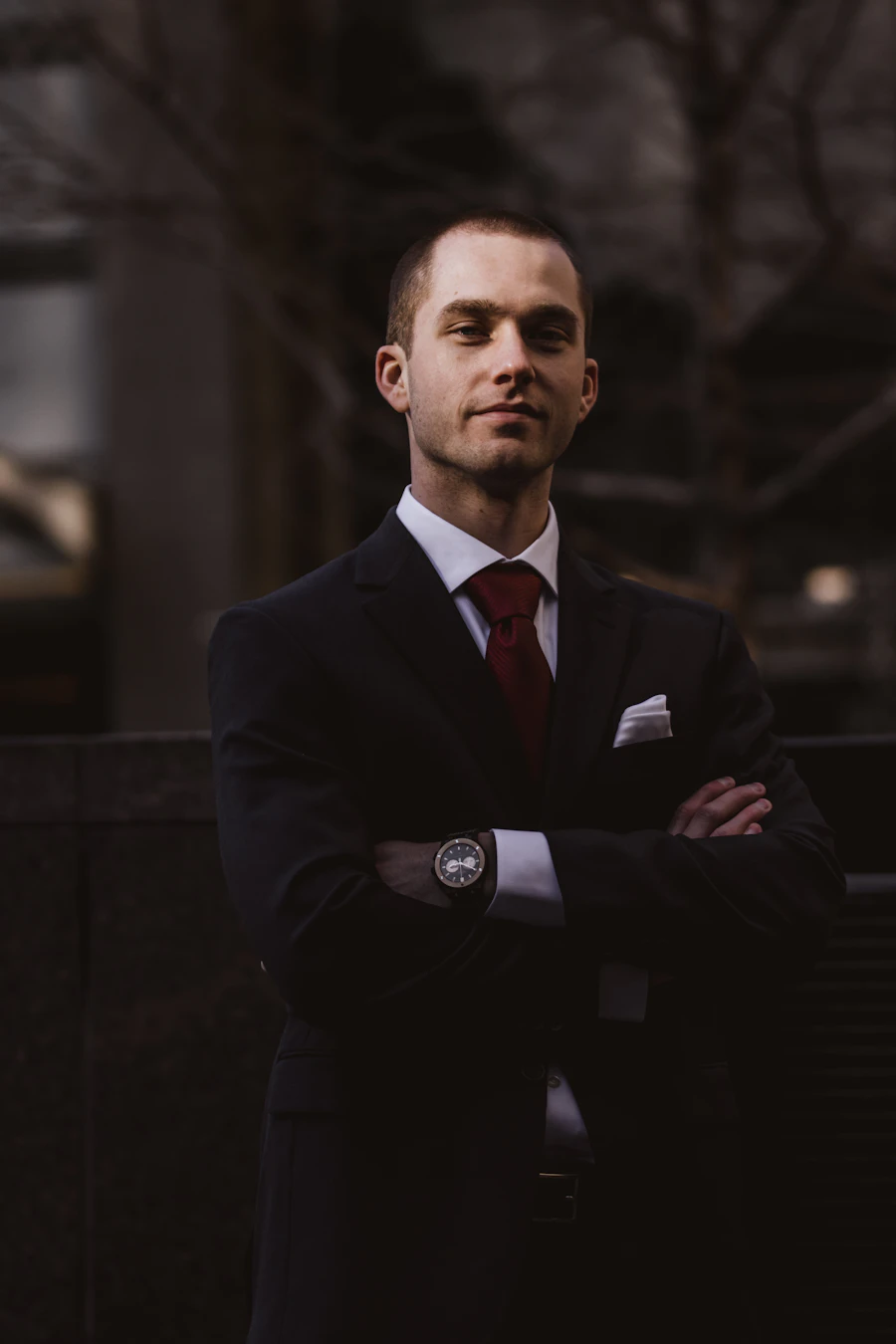
Beard design is facial architecture
A beard transplant is not only about filling empty patches. It changes how the jawline reads, how the cheeks frame the face, and how dense the moustache should feel relative to the chin.
Direction matters more than many patients realise
Facial hair grows at visually sensitive angles. If placement ignores that, even high survival can look artificial. Planning therefore focuses on exit angle, softness at the edges, and region-by-region density.
Recovery is usually manageable
Most beard patients recover quickly, but shaving, skincare, and inflammation management still require discipline. Good results often depend on restraint during the first weeks.
The goal is not to look transplanted
As with scalp work, the best compliment is that the beard suits the face so well no one thinks about the procedure at all.
Read Next
More articles from our journal.
Editorial depth matters because patients compare multiple sources before trusting a clinic.
Sapphire FUE vs DHI: How to Choose the Right Technique
A surgeon-led comparison of channel creation, implantation tools, shaving requirements, and who benefits from each method.
Month-by-Month: What to Expect After Your Hair Transplant
A practical roadmap through swelling, shedding, early growth, and the long quiet middle months.
How Many Grafts Do I Need? A Surgeon’s Guide
Why donor quality, hair calibre, scalp contrast, and realistic design matter more than internet averages.